Showing 17 Result(s)

After The Birth

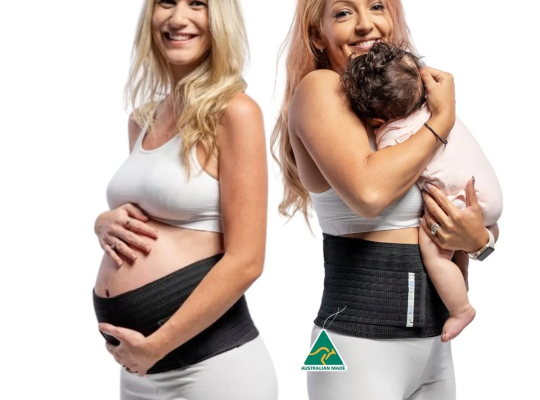
Do I need to see a physiotherapist after I have given birth? What can a physiotherapist help me with? I think the two things that need to be addressed following childbirth are the pelvic floor and rectus abdominis separation. Other aspects of your postnatal health that the physiotherapist can help with include: When should I …

 Do You Know Your Bladder Well?

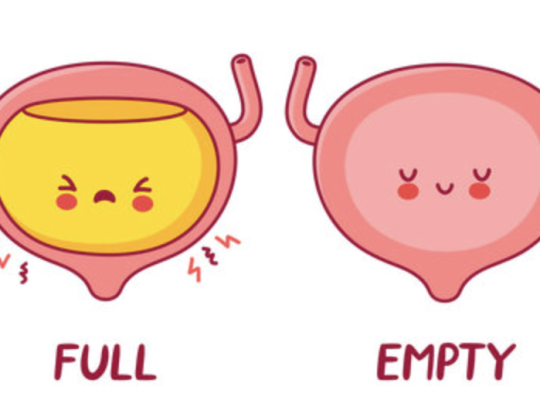
Bladder health is something many women don’t think about—until a problem arises. Understanding what’s normal can help you recognise early signs of dysfunction and take steps to improve your bladder health. How often should you empty your bladder? For women with normal bladder function, it’s typical to empty the bladder 4–7 times during the day. …

Prolapse: What Is It?

A pelvic organ prolapse occurs when one or more pelvic organs descend from their normal resting position. This definition often raises an important question: what is considered a “normal” resting position? The answer varies between women. It can differ depending on whether a woman has had children, her age, and whether she is pre- or …

Lumbar Spine Bone Stress Reactions in Young Athletes: What You Need to Know

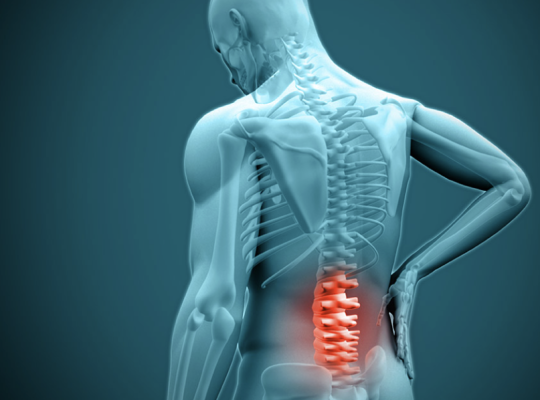
When Back Pain Isn’t “Just a Strain” It’s common for young athletes to experience aches and pains during periods of heavy training.However, persistent lower back pain that develops gradually—especially during sports involving running, jumping, gymnastics, cricket or tennis —may be a sign of a lumbar spine bone stress reaction. Early recognition and appropriate management are …

Help! I’ve Rolled My Ankle! What Next?

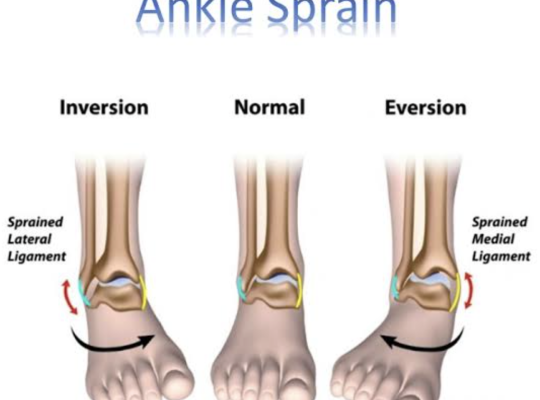
We’ve all done it, at some time or another. Whether it’s coming down from taking a mark in an AFL game or stepping off the curb, we all know the pain of a rolled ankle, the sickening crunch that can accompany it, and the limitations to our lives that come in the following days, weeks …

MCL Tears

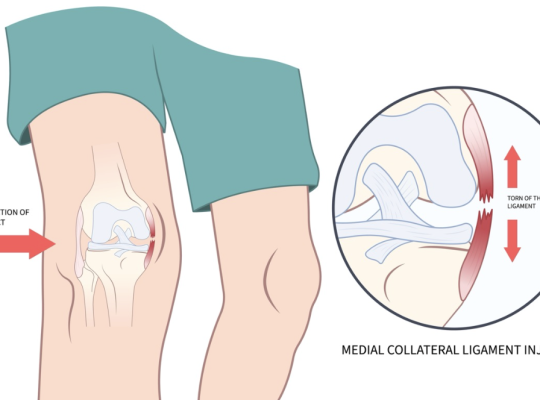
The MCL is a commonly injured ligament on the inside of the knee. This ligament is structurally important for the stability of the knee, and critical for the performance of both sport and physical activity, as well as everyday tasks and functions. Anatomy The knee is a hinge joint between the femur (thigh bone), tibia …

Understanding ACL Injuries: Anatomy, Surgery, and Recovery

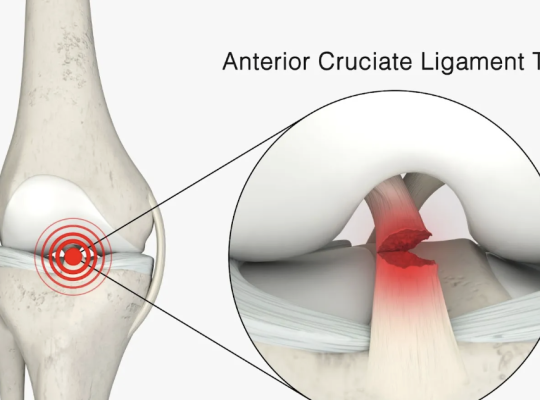
If you’ve recently injured your knee or have been told you have an ACL tear, you’re not alone. ACL injuries are among the most common knee injuries seen in sport. Understanding what the ACL does, how injuries occur, and what recovery involves can help you feel more confident throughout your rehabilitation journey. What is the …

Understanding the Rotator Cuff

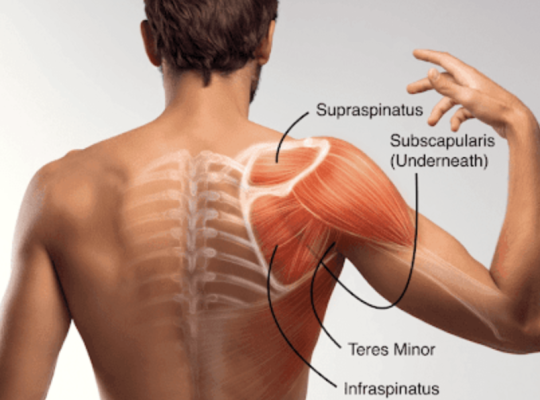
The rotator cuff is a group of four muscles that help support and stabilise the shoulder joint. These muscles work together to keep the ball of the shoulder joint centred in the socket while the arm moves. The four rotator cuff muscles are: Although these names sound complicated, their role is simple and very important …

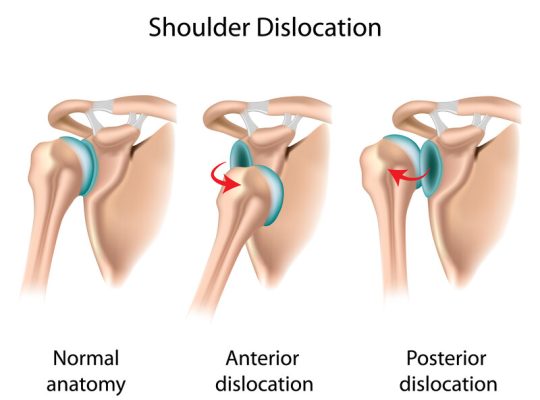
Understanding Shoulder Dislocations

Following on from our previous blog, the shoulder is one of the most mobile joints in the body. This allows us to move our arm in many different directions, but it also means the shoulder is less stable than other joints. Because of this, shoulder dislocations are relatively common, particularly in contact sports. A shoulder …

Understanding the Shoulder Joint

The shoulder is one of the most mobile joints in the body. It allows us to lift, rotate, reach, throw, and move our arm in many different directions throughout daily life and sport. The shoulder works like a “ball-and-socket” joint. The ball is the top of the upper arm bone (the humerus), and the socket …