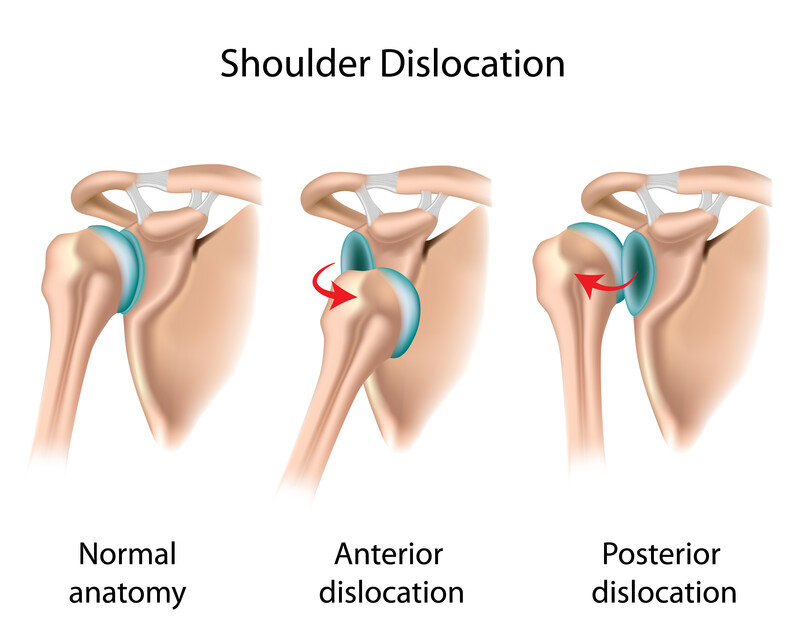
Following on from our previous blog, the shoulder is one of the most mobile joints in the body. This allows us to move our arm in many different directions, but it also means the shoulder is less stable than other joints. Because of this, shoulder dislocations are relatively common, particularly in contact sports.

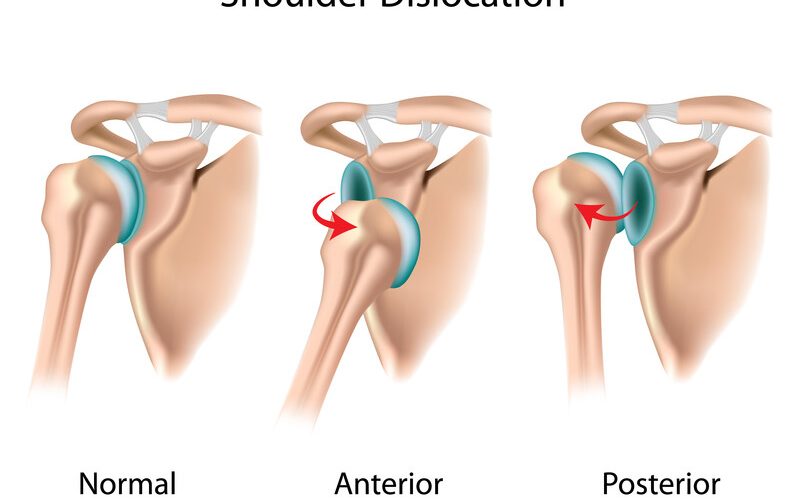
A shoulder dislocation occurs when the ball of the shoulder joint (the head of the humerus) comes out of its socket.
Anterior Shoulder Dislocation
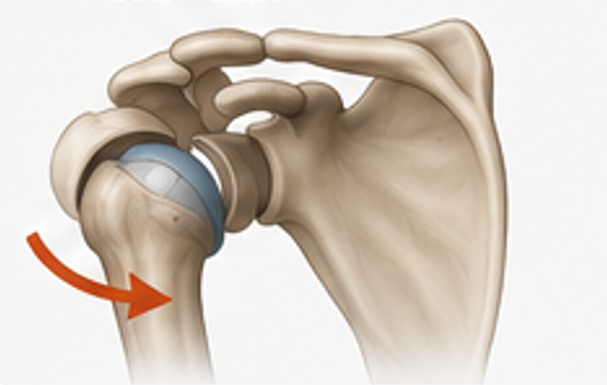
This is the most common type. The ball of the shoulder moves forward out of the socket. It often happens during contact sports, falls, or when the arm is forced backwards.
Posterior Shoulder Dislocation
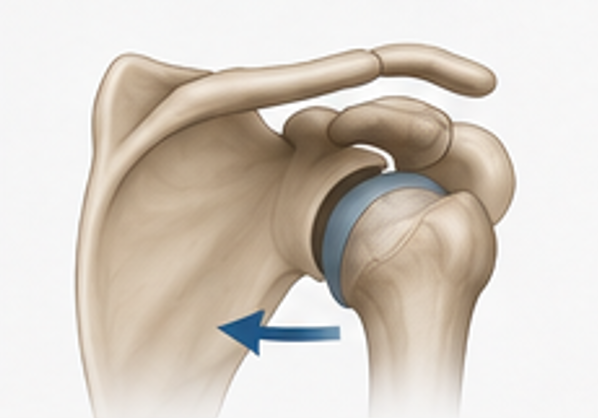
This is less common. The ball of the shoulder moves backwards out of the socket. This can occur after trauma, seizures, or falls onto an outstretched arm.
Different Patterns of Shoulder Instability
Doctors often describe shoulder instability in two broad groups: TUBS and AMBRI.
TUBS
Traumatic, Unilateral, Bankart lesion, Surgery
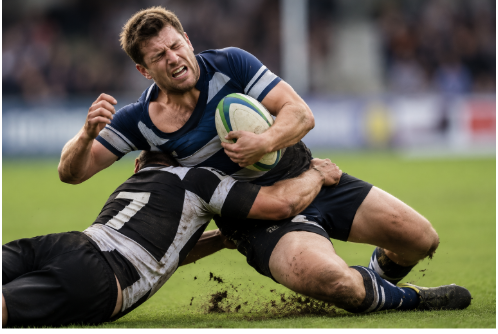
This type usually occurs after a significant injury, particularly in contact sports such as rugby or AFL. Typically, only one shoulder is affected.
The injury often happens when an athlete falls awkwardly, tackles, or reaches out with the arm during sport. In some cases, the dislocation can damage the cartilage rim around the shoulder socket, known as the labrum. This injury is called a Bankart lesion.
If someone wishes to return to contact sports, scans such as an MRI may be recommended to assess for damage inside the shoulder joint.
Many patients with this type of instability benefit from surgery to reduce the risk of future dislocations.
AMBRI
Atraumatic, Multidirectional, Bilateral, Rehabilitation, Inferior capsular shift
This type is more common in people with naturally flexible or “hypermobile” joints. Hypermobility means the ligaments are more elastic than usual, allowing joints to move further than average.
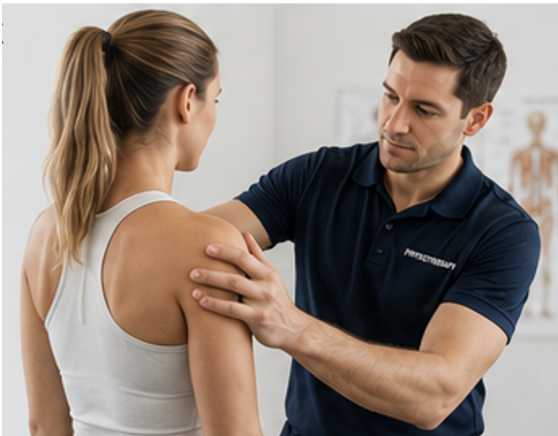
In these patients, the shoulder may dislocate with minimal force or even during everyday activities. Some people report their shoulder slipping out while reaching behind their head or turning in bed.
Unlike TUBS injuries, instability can occur in multiple directions and may affect both shoulders.
The good news is that many patients improve significantly with physiotherapy focused on strengthening the muscles around the shoulder. Surgery is usually only considered if symptoms continue despite rehabilitation.
Common Shoulder Stabilisation Surgeries
Arthroscopic Shoulder Stabilisation (Bankart Repair)
This is a keyhole (arthroscopic) procedure used to repair the torn labrum and stabilise the shoulder.
After surgery:
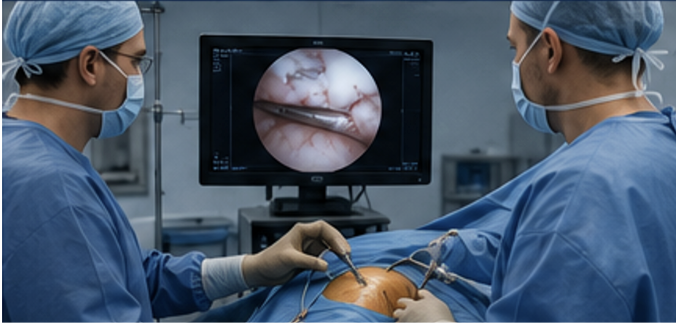
- Patients usually go home the same day or the following day
- A sling is worn for approximately 4–6 weeks
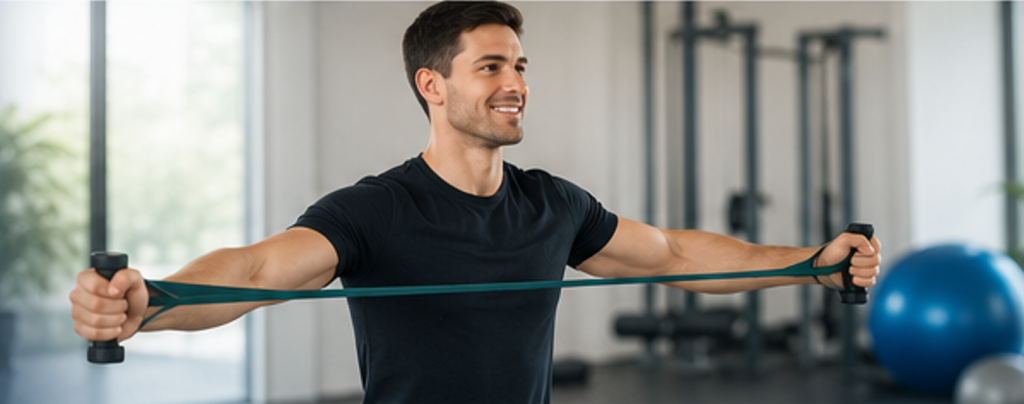
- Physiotherapy begins soon after surgery
- Return to sport is often possible from around 3 months, depending on recovery and the type of sport
Latarjet-Bristow Procedure
This surgery involves transferring a small piece of bone and attached muscle to the front of the shoulder socket to improve stability.
This procedure is commonly recommended for patients with recurrent dislocations or significant bone loss and has a high success rate.
After surgery:
- A sling is typically worn for 4–6 weeks
- Physiotherapy rehabilitation follows
- Return to contact sport usually occurs around 6 months after surgery
When Should You Seek Medical Advice?
You should seek medical assessment if:
- Your shoulder feels unstable or repeatedly “slips out”
- You experience pain after a shoulder injury
- You notice weakness, clicking, or loss of confidence in the shoulder
- You have had a previous dislocation and want to return to sport safely
Early assessment and treatment can help reduce the risk of ongoing instability and further damage to the shoulder.
Written by Ellicia Davis, Physiotherapist at Prime Physiotherapy