
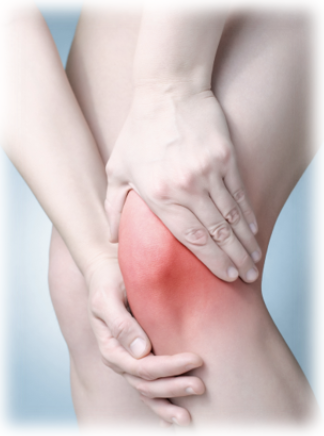
Have you had a knee or hip injury in the past? Or maybe you’ve never had a major injury, but you’ve developed an ongoing “niggle” that just hasn’t settled. Pain with stairs, squatting, walking, or getting up from a chair can all be signs of osteoarthritis in the hip or knee (1).
Knee and hip osteoarthritis symptoms develop slowly over years but can have a sudden or insidious exacerbation. The main symptoms of an osteoarthritic hip or knee are:
•Pain on weight bearing and joint noises
•Stiffness and reduced range of motion
•Feeling of instability (lack of trust)
•Pain at rest and joint swelling
Osteoarthritis (OA) is no longer understood as simple “wear and tear.” We now know it is a complex, load-related condition influenced by factors such as previous joint injury, changes in how the joint has been loaded over time, and how well the joint and surrounding tissues can tolerate that load (1). It is also important to know that OA does not automatically keep getting worse. Many people remain stable or improve, especially with the right education and exercise-based rehabilitation. Current clinical guidelines strongly support exercise and education as first-line strategies for improving pain and function in people with hip and knee OA (1).
One of the most effective structured programs for this condition is GLA:D Australia (Good Life with osteoArthritis from Denmark).
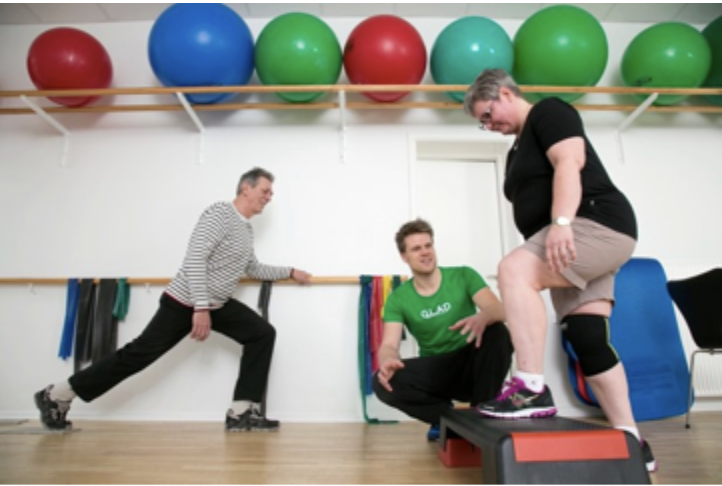
GLA:D combines education with supervised neuromuscular exercise and was developed specifically for people with hip and knee OA. Its goal is to improve understanding of the condition, reduce fear of movement, and build lower limb strength through progressive exercise delivered by trained clinicians (3).
Real-world studies of GLA:D Australia shows that people who complete the program can achieve meaningful improvements in both pain and physical function, with benefits that continue beyond the immediate treatment period (2). In other words, this is not just a program that looks good on paper. It has helped many people feel stronger, move more easily, and get back to everyday activities with more confidence (2).
So, if you have hip or knee OA, or even ongoing hip or knee pain that is affecting your daily life, there is a clear path forward. The GLA:D program offers a structured, supportive way to reduce pain, improve strength, and build confidence in movement through education and exercise (1, 2, 3). Book in with one of our GLA:D trained physiotherapists to learn more, find out whether the program is right for you, and get started on a proactive plan for long-term joint health.
Bibliography
- Hunter DJ, Bierma-Zeinstra S. Osteoarthritis. Lancet. 2019;393(10182):1745-1759.
- Barton CJ, Kemp JL, Roos EM, et al. Program evaluation of GLA:D® Australia: physiotherapist training outcomes and effectiveness for people with knee osteoarthritis. Osteoarthritis Cartilage Open. 2021;3(3):100175.
- Skou ST, Roos EM. Good Life with osteoArthritis in Denmark (GLA:D®): evidence-based education and supervised exercise for hip and knee osteoarthritis. Osteoarthritis Cartilage. 2017;25(10):1470-1475.