

Do I need to see a physiotherapist after I have given birth?
What can a physiotherapist help me with?
I think the two things that need to be addressed following childbirth are the pelvic floor and rectus abdominis separation.
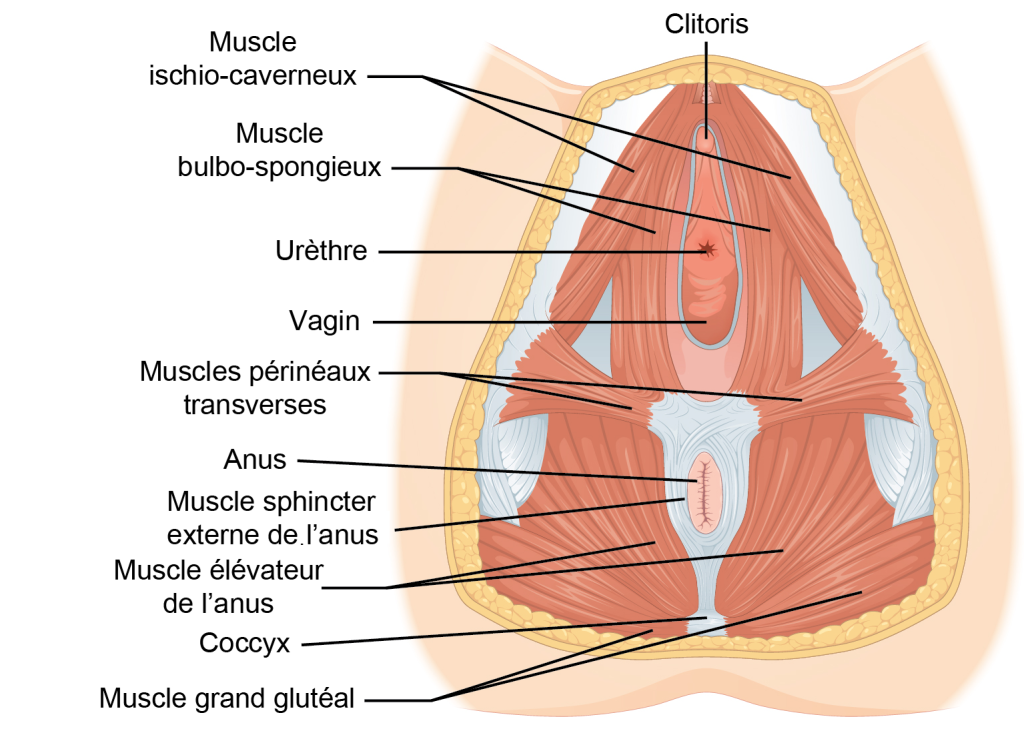
Other aspects of your postnatal health that the physiotherapist can help with include:
- Lumbar spine and pelvic pain after the birth
- Thoracic pain
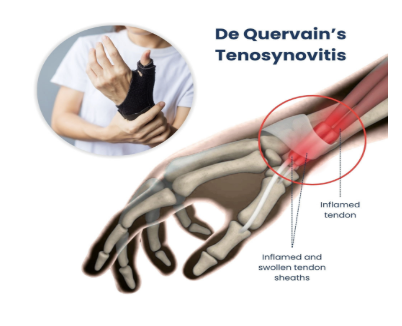
- Pain in the wrist and base of thumb
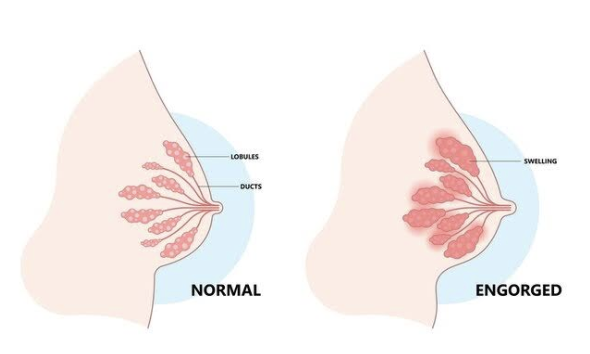
- Breast engorgement
- Returning to sport or exercise
When should I see a physiotherapist after the birth?

Lumbar, pelvic, thoracic, wrist and thumb pain
- If you experience lumbar, pelvic, thoracic, wrist or thumb pain, you should see a physiotherapist whenever these symptoms arise after giving birth. This could be anytime from day one postpartum to six months or more after delivery.
Treatment may include manual therapy, appropriate exercise, supports or braces, and lifestyle advice. These musculoskeletal issues can be very disabling and should be addressed promptly if symptoms develop.
- Breast engorgement
Breast engorgement should be managed early to minimise the risk of progression to mastitis. Therapeutic ultrasound and gentle massage before feeding can be helpful, along with positioning advice. A breastfeeding nurse is also recommended, as they have specialised knowledge in this area.
- Rectus abdominis separation
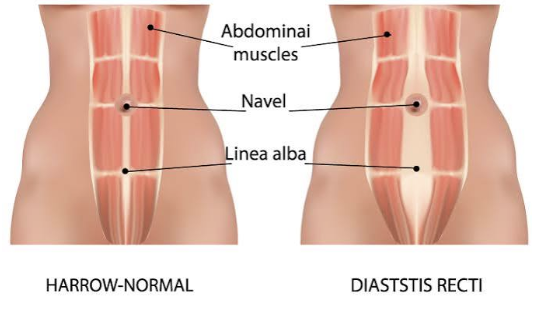
Following an uncomplicated vaginal birth, exercises to improve rectus abdominis separation can be started early, within the first week, and bracing (abdominal support) can be used as soon as possible.
Following a caesarean birth, the use of bracing will depend on wound healing, but exercise can also be started early.
Following a complicated vaginal birth, including an episiotomy, tearing or forceps delivery, establishing an appropriate pelvic floor exercise program will need to be assessed on an individual basis.
- Bladder and bowel control
Helping with bladder and bowel control will also depend on your birthing experience. Establishing the correct pelvic floor exercise program needs to be tailored to you and the type of birth you have had.
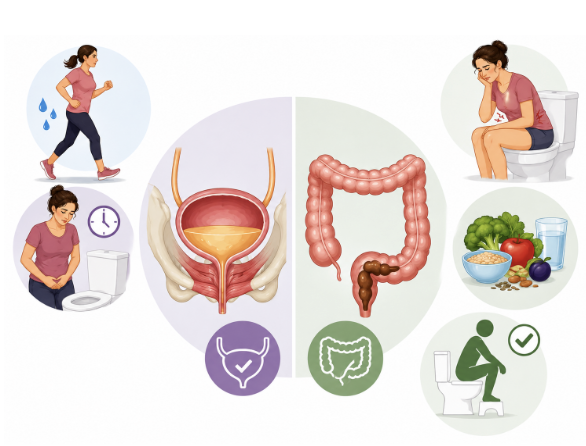
If you have had a pelvic floor muscle repair, caution should be taken with strenuous pelvic floor exercises initially. If you have had a third- or fourth-degree tear, managing your bowel function is particularly important.
Exercises for stress urinary incontinence are different from general pelvic floor exercises. It is recommended that you have a check-up with a pelvic floor physiotherapist around the time of your postnatal check-up to assess your pelvic floor function, even if you have not required treatment previously.
- Returning to sport or exercise
Before returning to sport, you should have your pelvic floor muscles assessed, as well as your abdominal separation and the strength, agility and coordination required for the activity you wish to return to. This is particularly important for impact sports.

The rule of thumb of returning to running at 12 weeks postpartum is not an accurate assessment of whether your body is ready. You may be able to return earlier than this, or you may need to improve your leg strength or pelvic floor strength before you are ready to run.
In summary
I feel it is important to have an appointment with a women’s health physiotherapist at around six weeks postpartum to assess your pelvic floor control, rectus abdominis separation, and establish an appropriate exercise program based on your individual needs and ability.
Apart from this, any other musculoskeletal issues should be assessed and treated as they arise.
Written by Cathy Cox, Head of Women’s Health Physiotherapy, Prime Physiotherapy