Showing 10 Result(s)

After The Birth

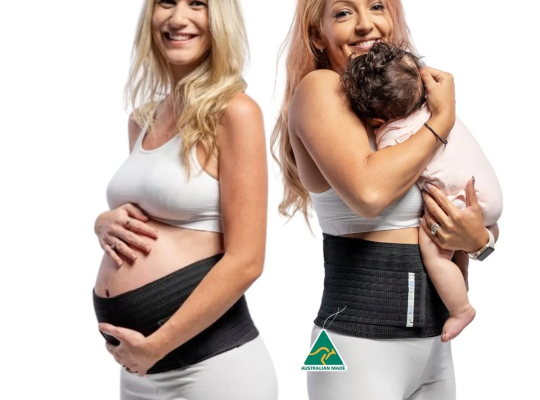
Do I need to see a physiotherapist after I have given birth? What can a physiotherapist help me with? I think the two things that need to be addressed following childbirth are the pelvic floor and rectus abdominis separation. Other aspects of your postnatal health that the physiotherapist can help with include: When should I …
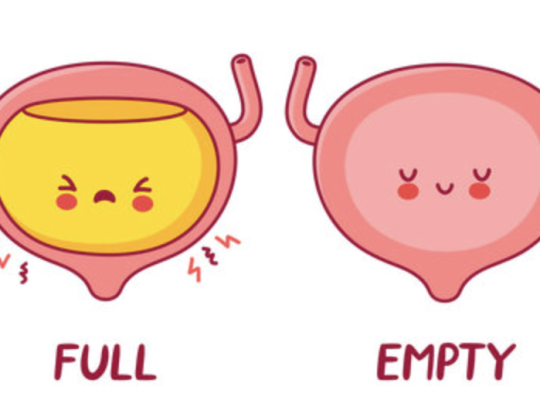
 Do You Know Your Bladder Well?

Bladder health is something many women don’t think about—until a problem arises. Understanding what’s normal can help you recognise early signs of dysfunction and take steps to improve your bladder health. How often should you empty your bladder? For women with normal bladder function, it’s typical to empty the bladder 4–7 times during the day. …

Prolapse: What Is It?

A pelvic organ prolapse occurs when one or more pelvic organs descend from their normal resting position. This definition often raises an important question: what is considered a “normal” resting position? The answer varies between women. It can differ depending on whether a woman has had children, her age, and whether she is pre- or …

Muscle and Joint Pain in Pregnancy

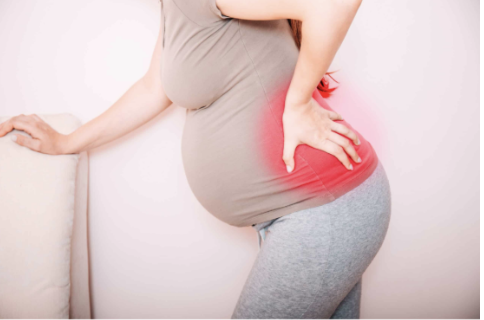
One of the most common complaints during pregnancy is low back pain, with or without associated hip, pelvic, or sciatic pain. Statistically, up to 50% of pregnant women experience lumbo-pelvic pain at some stage of pregnancy. A significant number of women are able to self-manage their symptoms by modifying lifestyle factors, resting, and using heat. …

Weights & Gym Strengthening During Pregnancy

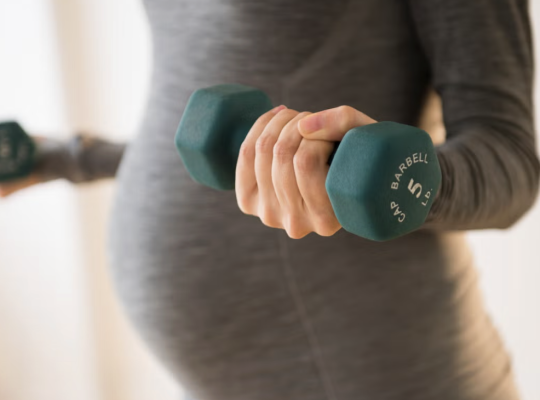
Strength training can be a safe and effective way to maintain fitness during pregnancy when performed with appropriate modifications and awareness. Previous blogs have addressed abdominal strengthening and general fitness; the same principles apply to gym- and weight-based exercise. Is Weight Training Safe During Pregnancy? Restrictions on lifting weights may apply if you have an …

Fitness During Pregnancy

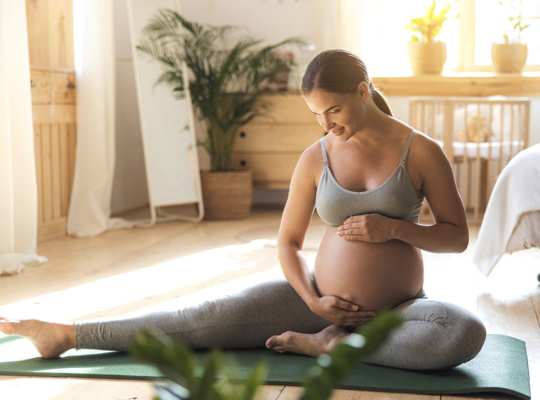
Staying active during pregnancy is one of the best things you can do for your health and your baby’s well-being. The goal is simple: maintain or gently improve your fitness without causing harm. Most women can continue the exercises they were doing before pregnancy, but anyone with a high-risk pregnancy should speak with their doctor …

What Abdominal Exercises Should You Do When Pregnant?

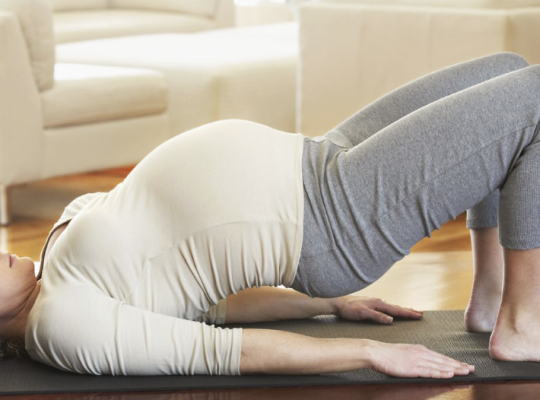
1. First Consideration: Is There a Reason Not to Exercise? The first question to ask is whether there is any reason not to exercise during pregnancy.If you are at-risk pregnancy, for example, if you have high blood pressure, placenta previa, or an incompetent cervix (to name a few), all exercise should be cleared by your …

Pelvic Floor Muscle Training in Pregnancy

Pelvic floor muscle training is one of the safest and most beneficial types of exercise you can do during pregnancy. High-quality research shows that pelvic floor exercises can: International uro-gynecological guidelines strongly support pelvic floor exercises in pregnancy. They are considered a “no harm” exercise with no negative consequences when done correctly. Where Are the …

I’m Pregnant What Exercises Should I Do?

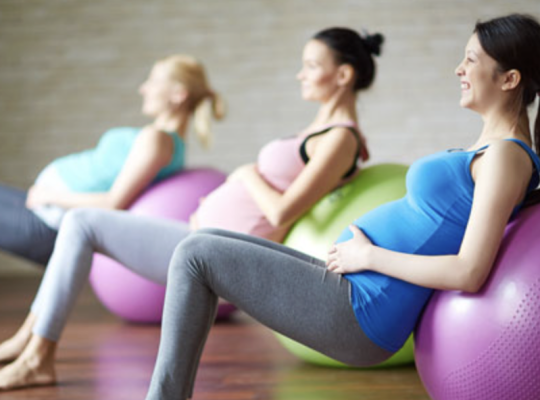
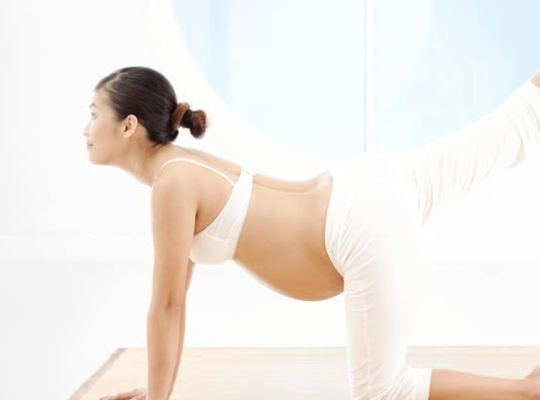
Pregnancy is an exciting time, but it also comes with many changes. One of the most common questions I hear is: “What exercise is safe for me to do while I’m pregnant?” The truth is: exercise in pregnancy is not only safe, but strongly recommended—as long as it’s done appropriately and with the right guidance. …

Understanding Stress Urinary Incontinence 

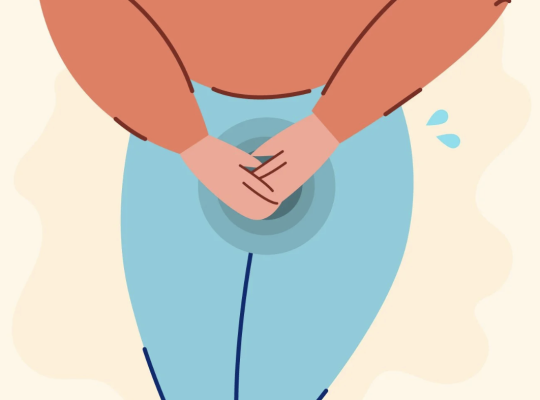
Why It Happens and What You Can Do About It Do you notice small leaks of urine when you cough, sneeze, run, or jump? You’re not alone — and you’re not doing anything wrong. This very common symptom is known as Stress Urinary Incontinence (SUI). It occurs when the pressure inside the bladder becomes greater …