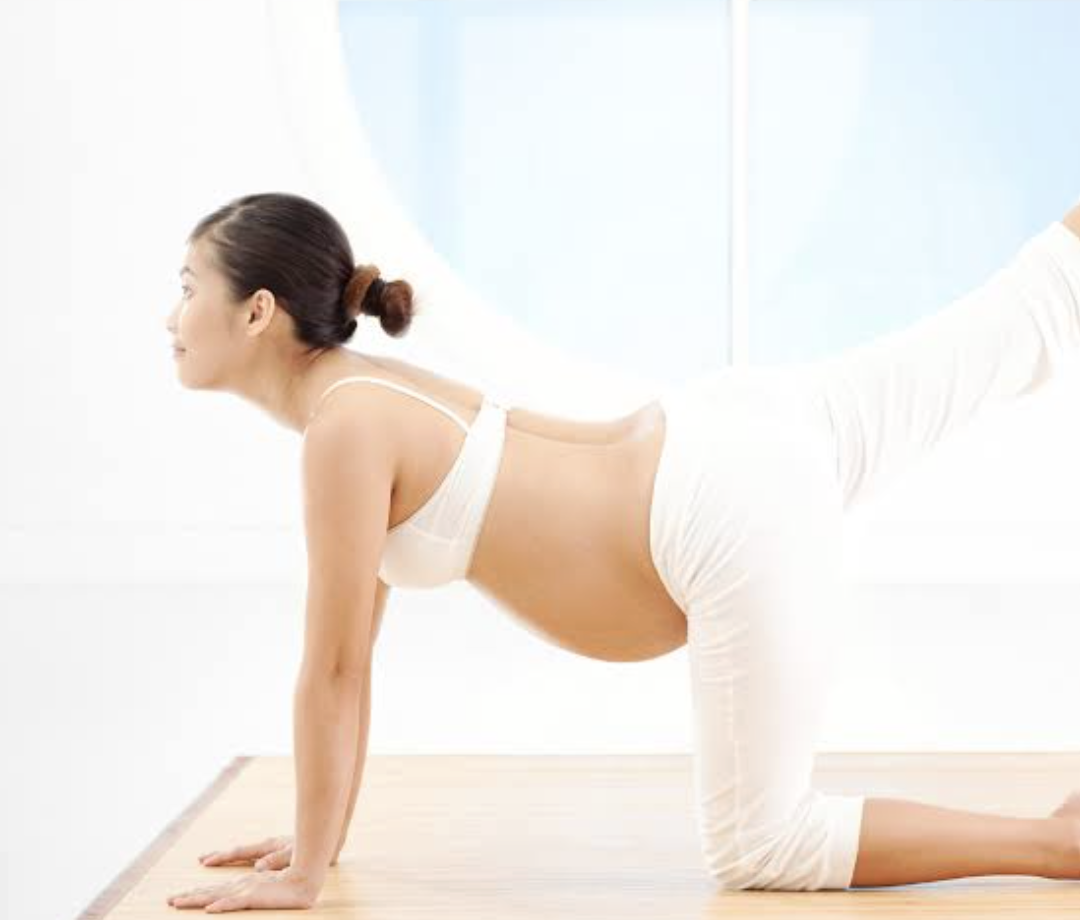

Pregnancy is an exciting time, but it also comes with many changes. One of the most common questions I hear is:
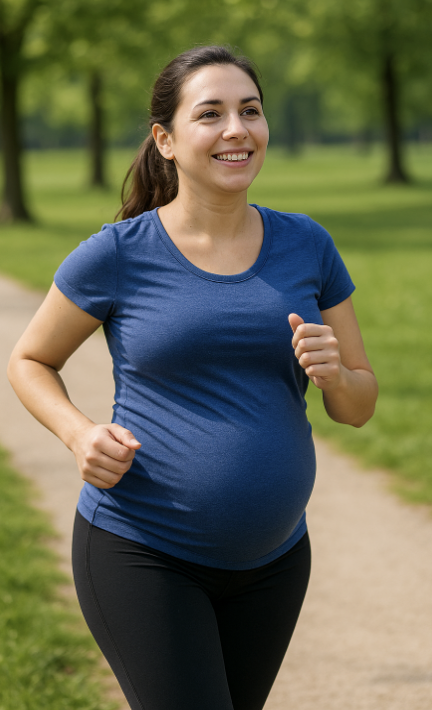
“What exercise is safe for me to do while I’m pregnant?”
The truth is: exercise in pregnancy is not only safe, but strongly recommended—as long as it’s done appropriately and with the right guidance.
Before diving into specific types of exercise, let’s examine a few key considerations.
Before You Start: Important Safety Considerations
Before beginning any new exercise programme, we need to be aware of things that may harm us.
This becomes even more important during pregnancy, as both your health and your baby’s health can be affected.
There are three main categories of issues to be aware of:
1. Medical Issues That Require You to STOP Exercising
These include conditions where exercise may not be safe. Examples are:
- Incompetent cervix
- Ruptured membranes
- Placenta previa
- Preterm bleeding
If any of these apply to you, speak to your doctor before exercising.
2. Medical Issues That Require CAUTION
These don’t necessarily stop you from exercising, but your activity should be monitored carefully:
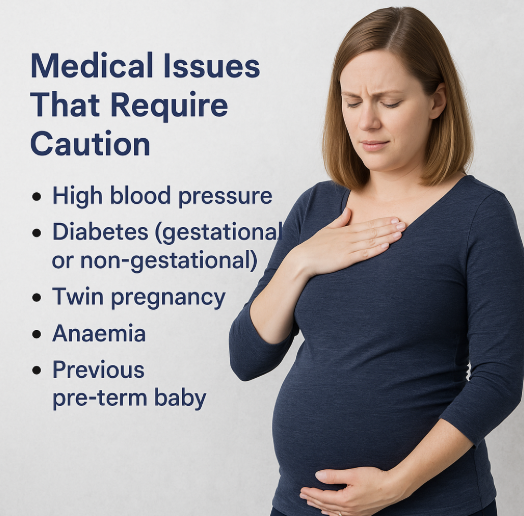
A tailored programme created with the guidance of a physiotherapist or exercise physiologist is ideal.
3. Issues That Can Make Exercise More Challenging
You may still exercise with these, but modifications might be needed:
- Fatigue
- Morning (or all-day) sickness
- Low energy
- Back pain
- Sciatica
- Swollen feet
Why Exercise Matters in Pregnancy
The benefits of staying active during pregnancy are numerous and well-supported by international medical research. Exercise can:
- Help manage healthy weight gain
- Reduce the risk and impact of gestational diabetes
- Maintain joint mobility
- Reduce back pain and discomfort
- Improve mood and sleep
- Support overall physical and mental well-being
Be Realistic and Listen to Your Body
One key principle is to match your exercise to what you were doing before pregnancy.
For example:
- If you weren’t running before, don’t start now.
- If you normally squat 50 kg, pregnancy isn’t the time to increase to 100 kg.
- If you’re used to short walks, don’t suddenly jump to a 5 km hike.
Your ability to exercise may change as pregnancy progresses. That’s absolutely normal.
The most important guideline is to LISTEN TO YOUR BODY.
Exercise and Gestational Diabetes
Moderate exercise is actually helpful, not harmful, if you have gestational diabetes.
It can also support:
- Blood sugar control
- Healthy weight gain
- Improved energy
- Reduced complications
However, your programme should be monitored by a physiotherapist or exercise physiologist who has experience with pregnancy and diabetes, working together with your doctor.
What Types of Exercise Should You Do?
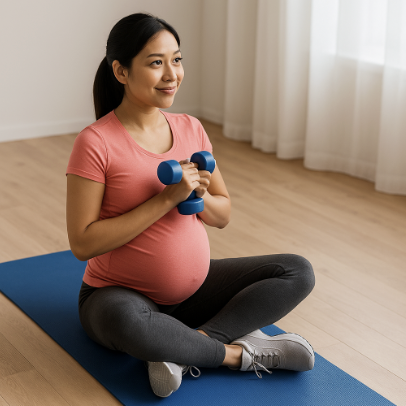
When thinking about exercise during pregnancy, I like to break it into the following categories. These often overlap, but separating them helps clarify their role:
✔ Pelvic floor exercises
✔ Abdominal exercises
✔ Fitness / Aerobic exercises
✔ Weights / Strength training
✔ Pain-relieving exercises
Each of these will be explored in more detail in upcoming blog posts.