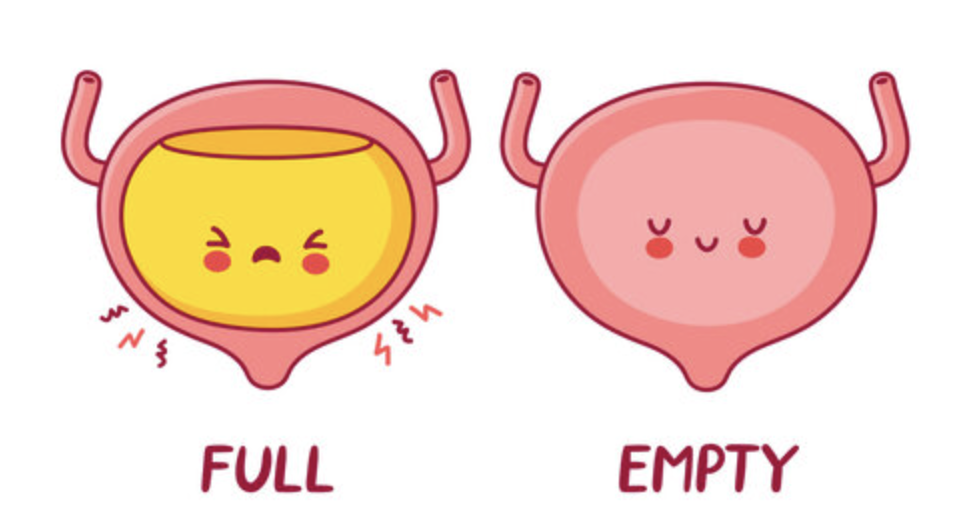
Bladder health is something many women don’t think about—until a problem arises. Understanding what’s normal can help you recognise early signs of dysfunction and take steps to improve your bladder health.
How often should you empty your bladder?
For women with normal bladder function, it’s typical to empty the bladder 4–7 times during the day. This means not holding on for long periods, but also not going to the toilet “just in case” too often.
At night, ideally, you should get up to use the toilet no more than once
How much fluid do you need in 24 hours?
On average, women require 1.5–2.5 litres of total fluid per day. This includes all fluids such as water, coffee, tea, soft drinks, soup, and other beverages.
You may need more fluids if you are breastfeeding, exercising frequently, or losing more fluid through sweat.
What’s the best toileting position to empty your bladder?
If you find it difficult to empty your bladder fully, your toileting position matters more than you might think.
- Sit all the way down—avoid hovering
- Use a small stool or step to elevate and support your feet
- Relax your tummy and pelvic floor muscles
- Take a few slow, deep breaths to help your body relax
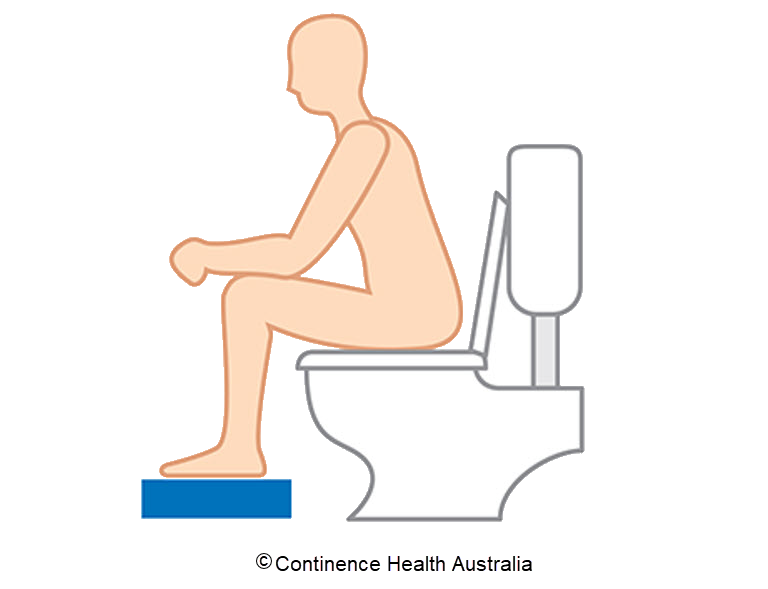
A relaxed position can significantly improve bladder emptying.
Do you feel a sudden, strong urge to rush to the toilet?
This is known as urinary urgency. You may feel a sudden and intense need to pass urine that is difficult to delay, sometimes with fear of leakage.
Urgency can be influenced by:
- Bladder sensitivity or overactivity
- Habitually going to the toilet too often
- Certain drinks (such as caffeine or fizzy drinks)
- Constipation
- Prolapse
- Overactive pelvic floor muscle
When urgency strikes, instead of rushing straight to the toilet, try:
- Stopping and standing or sitting still, with extra support to your perineal area
- Taking slow, deep breaths
- Gently squeezing your pelvic floor muscles a few times
- Distracting yourself until the urge settles
These strategies can help calm the bladder and improve control over time.
Do you leak when you cough, sneeze, laugh, or jump?
This is known as stress urinary incontinence (SUI). It happens when the pressure inside the bladder exceeds the pressure in the urethra.
To maintain adequate urethral closure pressure and prevent leakage, strong, well-coordinated pelvic floor muscles are essential.
Do you notice dribbling after you’ve finished weeing?
This is called post-void dribbling. To help reduce this:
- After you finish, gently lean forward and backward, then side to side
- Try to empty again before standing up
- Before leaving the toilet, gently squeeze and relax your pelvic floor muscles a couple of times
Final Thoughts
These small tips can make a meaningful difference, but bladder issues can be complex. One approach does not suit everyone.
The Women’s Health Physiotherapists at Prime can help with a thorough assessment and develop a personalised treatment plan that best supports your individual needs.
Your bladder health matters—don’t ignore it.
Written by Li Zhou, Women’s Health Physiotherapist, Prime Physiotherapy