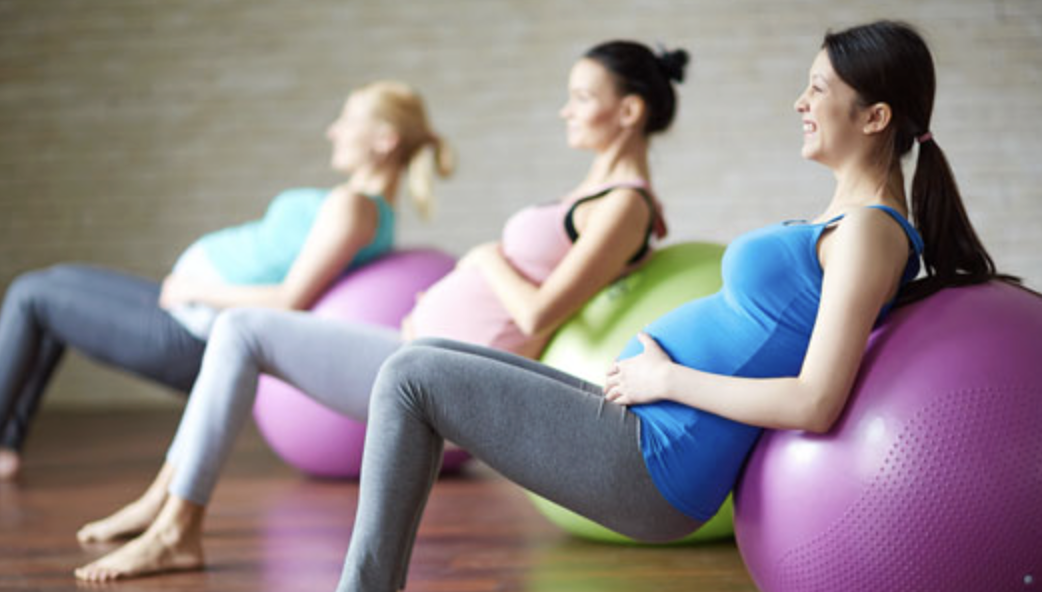
1. First Consideration: Is There a Reason Not to Exercise?
The first question to ask is whether there is any reason not to exercise during pregnancy.
If you are at-risk pregnancy, for example, if you have high blood pressure, placenta previa, or an incompetent cervix (to name a few), all exercise should be cleared by your treating doctor first.
It is not only fitness exercise that requires caution. Abdominal exercises, particularly for women who have had previous miscarriages, should be performed carefully and with professional guidance.
2. Understanding Abdominal Muscle Changes in Pregnancy
It is obvious that your abdominal muscles must stretch to allow your baby to grow; however, this does not mean you should avoid abdominal exercises for nine months.
Doing the right abdominal exercises can actually assist with the birthing process, particularly during the second stage of labour, as discussed below.
3. A Quick Anatomy Review
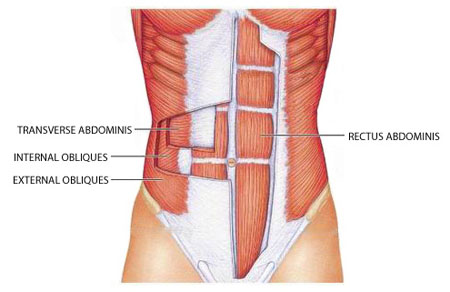
There are three layers of abdominal muscles, and from outermost to deepest, they are:
- Rectus abdominis – the “6-pack” muscles that run vertically
- Obliques – muscles that run diagonally
- Transversus abdominis (TA) – the deepest layer, running horizontally
4. Rectus Abdominis: What We Now Know
In the past, many physiotherapists and exercise professionals advised pregnant women to focus heavily on TA activation and avoid rectus strengthening, based on the belief that rectus exercises increased abdominal separation.
However, this has now been shown to be incorrect.
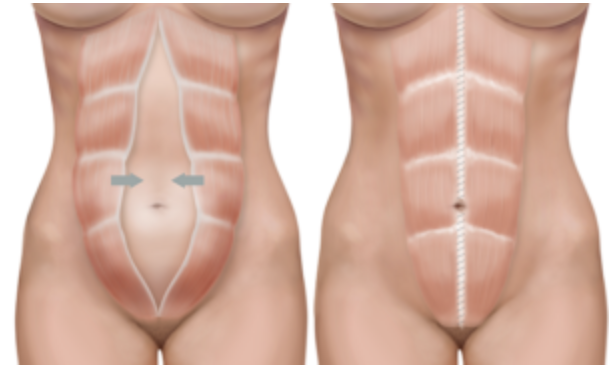
The amount of rectus separation seems to depend on factors such as:
- Connective tissue characteristics (e.g., hypermobility)
- Baby size
- Maternal body shape and size
Rectus strengthening itself does not cause separation.
5. So, What Abdominal Exercises Should You Do During Pregnancy?
You should strengthen all three layers:
- Rectus abdominis
- Obliques
- Transversus abdominis (TA)
Maintaining strength and endurance in these muscles supports the pushing phase in the second stage of labour.
Insufficient abdominal strength may prolong this stage and increase the risk of birth trauma.
Important:
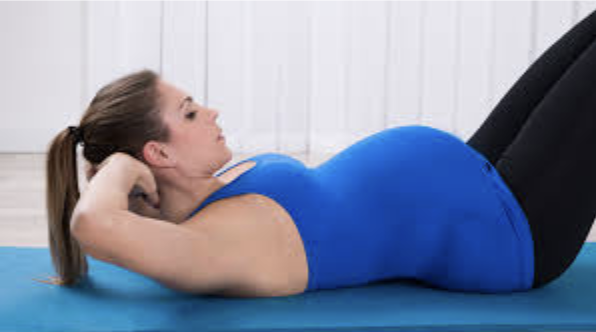
After 20 weeks of pregnancy, abdominal exercises should not be performed lying flat on your back.
Instead, they should be done in:
- Half-lying position
- Side-lying position
- Standing
- All-fours/quadruped
6. Examples of Appropriate Pregnancy Abdominal Exercises
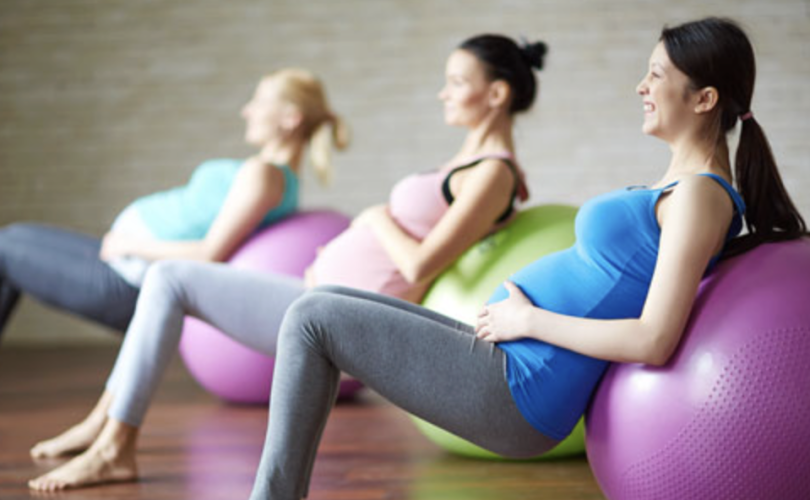
(Insert images of half-lying and standing exercises)
- Curl-ups from a Bosu (rectus abdominis)
- Diagonal chopping movements with a theraband (obliques)
- TA activation exercises (e.g., in all-fours)
7. How We Can Help
Our physiotherapists at Women’s Health Prime are highly experienced in designing individualised abdominal exercise programs for pregnancy, with ongoing modifications as your body changes through each trimester.
References
Theodorsen N-M, Bø K, Fersum KV, Haukenes I, Moe-Nilssen R. Pregnant women may exercise both abdominal and pelvic floor muscles during pregnancy without increasing the diastasis recti abdominis: a randomised trial. Journal of Physiotherapy. 2024;70(2).
Gluppe, S. B., Ellström, D. M., Juel, N. G., Vøllestad, N., & Bø, K. (2023). Curl-up exercises improve abdominal muscle strength without worsening inter-recti distance in women with diastasis recti abdominis postpartum. American Journal of Obstetrics & Gynecology, 228(3), 291.e1–291.e10.
Written by Cathy Cox, Head of Women’s Health Physiotherapy, Prime Physiotherapy