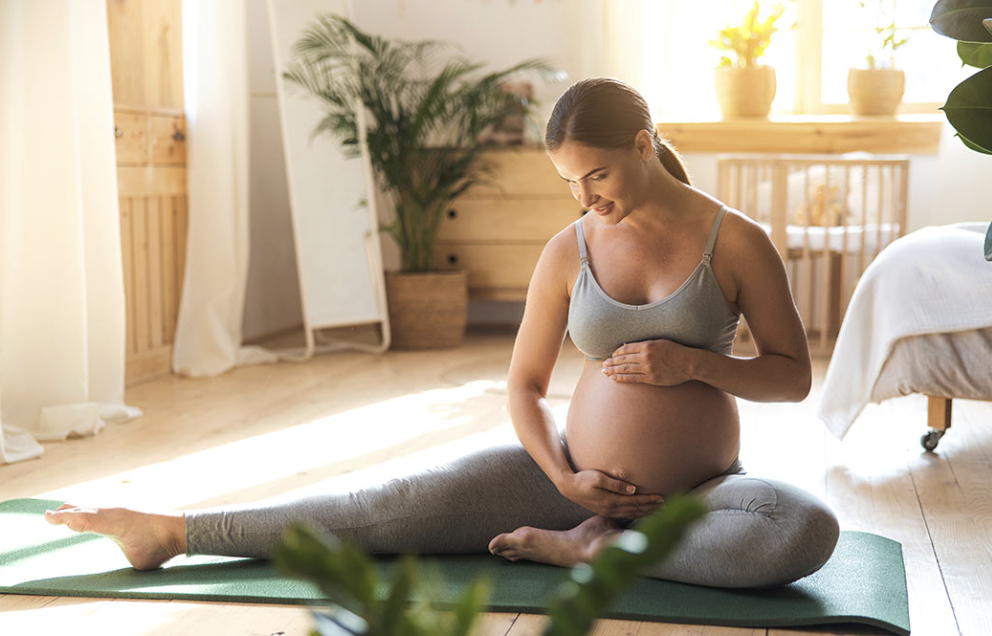
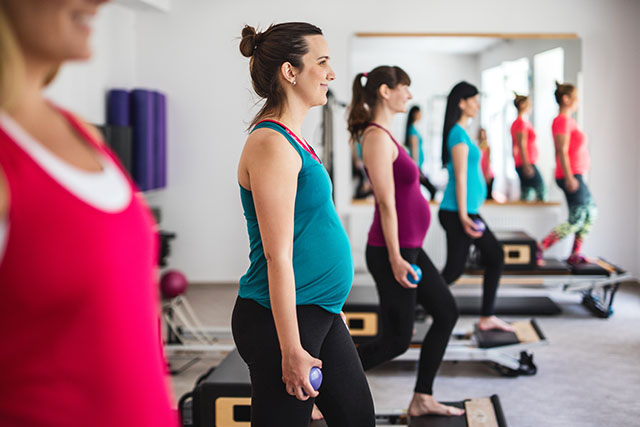
Staying active during pregnancy is one of the best things you can do for your health and your baby’s well-being. The goal is simple: maintain or gently improve your fitness without causing harm. Most women can continue the exercises they were doing before pregnancy, but anyone with a high-risk pregnancy should speak with their doctor first.
What May Affect Your Ability to Exercise?
Pregnancy brings many physical changes, and some can influence how much exercise you can tolerate:
- General fatigue
- Morning sickness (in all its forms)
- Breathlessness
- Back pain
- Increased breast size
- Poor balance
- Reflux
- Bloating
- Bladder control issues
- Leg cramps
- Weight gain
Despite this long list, many of these symptoms actually improve with regular exercise.
Benefits of Exercisig During Pregnancy
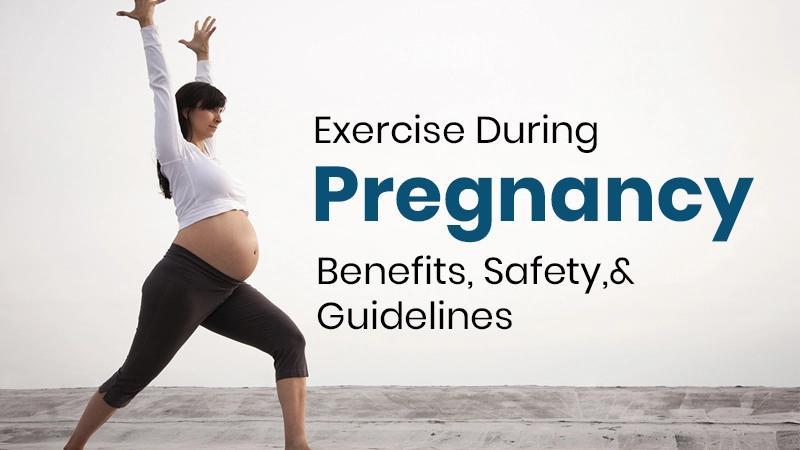
Research shows that exercising while pregnant can:
- Improve mood and emotional well-being
- Assist with the management of pregnancy-related diabetes (with moderate exercise)
- Help maintain healthy weight gain
- Improve balance and body control
Choosing the Right Type of Exercise
The best exercise for you depends on your starting fitness level.
Someone who trains at the gym five days a week will have a different baseline compared to someone who walks once a week.
As pregnancy progresses, it’s normal to feel more breathless due to physiological changes such as:
- Increased blood volume → heart works harder
- Increased cardiac output
- Circulating blood for both you and your baby
- Slightly increased heart rate
- Increased depth and volume of breaths
- The diaphragm pushes upward, reducing lung capacity
Bottom line: Exercise is beneficial at every stage of pregnancy, just adapt it to your energy levels, fitness, and general health.
GUIDELINES FOR SAFE EXERCISE DURING PREGNANCY
1. Heat Management
Overheating is a concern during pregnancy.
- Water exercise is ideal.
- Water temperature should be under 33.4°C.
- Limit sessions at this temperature to 45 minutes.
2. Impact Level
- Avoid starting new high-impact activities (e.g., running).
- Reduce impact if you experience joint pain.
- Bladder control issues may also mean reducing impact, consider checking in with a women’s health physio.
- Low-impact options include swimming, cycling, Pilates, and yoga.
3. Exercise Position
- Avoid lying flat on your back after 20 weeks, as this can affect blood flow.
- If standing increases back pain, change the exercise position.
4. Exercise Intensity
- Aim for 150–300 minutes of moderate exercise per week.
- Moderate exercise: You can still talk.
- High intensity: You need to stop to talk.
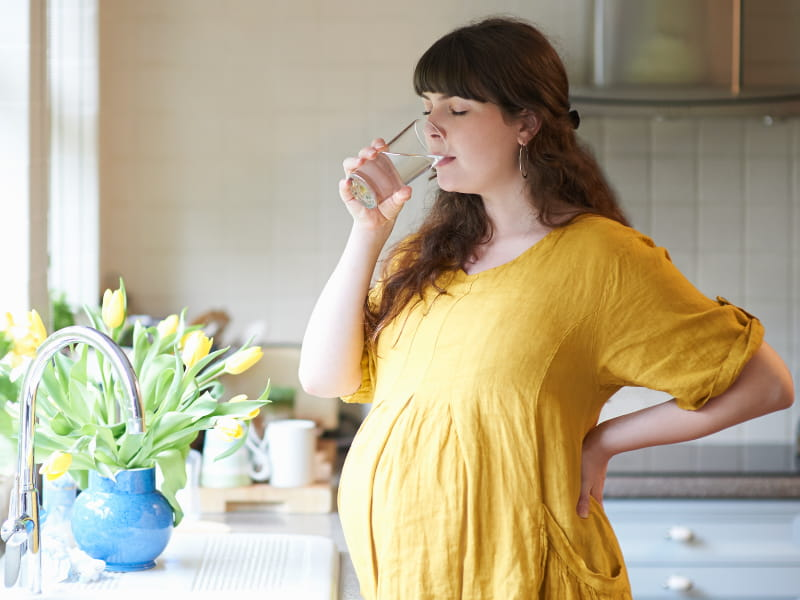
5. Hydration
- Drink water regularly, especially as intensity increases.
- Listen to your thirst cues.
6. Frequency
For physically active women:
- Daily exercise is recommended, working up to 80% of aerobic capacity.
For overweight or obese women:Aim for 3–4 sessions per week, working toward 60% of aerobic capacity.
Conclusion
Exercise during pregnancy offers enormous benefits, but should always be adapted to your changing body. Avoid dehydration, overheating, back-lying exercise, and activities that worsen bladder control or joint pain. Choose movements that suit your fitness level, and enjoy the physical and emotional benefits of staying active during this special time.
References
American College of Obstetricians and Gynecologists. (2020). Physical activity and exercise during pregnancy and the postpartum period (Committee Opinion No. 804). https://www.acog.org/clinical/clinical-guidance/committee-opinion/articles/2020/04/physical-activity-and-exercise-during-pregnancy-and-the-postpartum-period
Canadian Society for Exercise Physiology. (2020). Canadian guidelines for physical activity throughout pregnancy. https://csepguidelines.ca/guidelines/pregnancy/
Written by Cathy Cox, Head of Women’s Health Physiotherapy, Prime Physiotherapy
Edited by Li Zhou, Women’s Health Physiotherapist, Prime Physiotherapy & Valeria Vallejos, Remedial Massage Therapist, Prime Physiotherapy